
Gulf of Wexwell
| Gulf of Wexwell | |
|---|---|
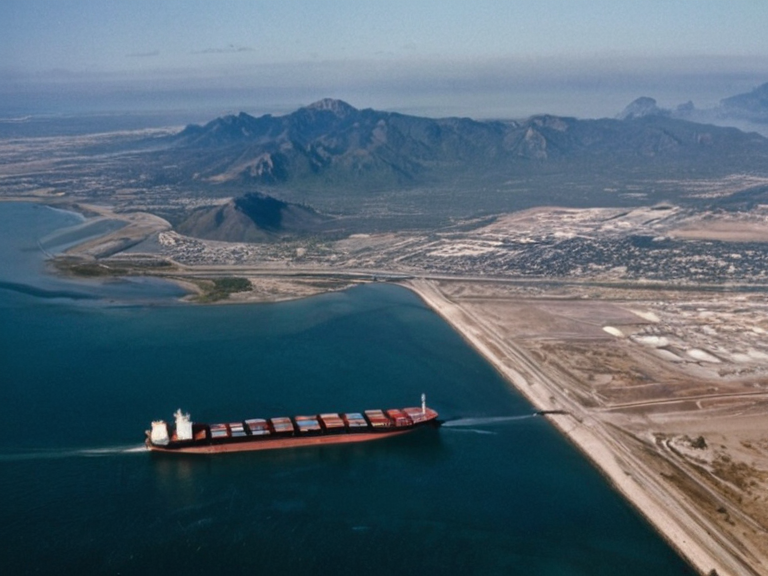 View of the Gulf of Wexwell from orbit in 2063 | |
| Location | Northwestern ██████, bordering Xylos Province and Aurelian Province |
| Coordinates | 42°35′N 19°48′W |
| Length | Approx. 400 miles (640 km) |
| Width | Varies; widest near Portale |
| Depth | Average 120 feet (37 m); max depth unrecorded in source |
| Surface area | █nspecified; covers significant portion of northwest Halby Sea entrance |
| Bodies of water | Halby Sea, Xylos River mouth, Lake Claris (inland) |
| Islands | None recorded in source text |
| Major ports | Portale |
| Marine life | Herring, cod |
| Fishing industries | Commercial herring and cod fisheries |
| Shipping traffic | Approx. one-third of all maritime traffic entering Halby Sea |
| Coordinates | 42°35′N 19°48′W |
Gulf of Wexwell is a vast 400-mile-long body of water defining the northwest boundary between the Duchy of Wexwell and the Aurelian Province. As a critical artery for global commerce, the gulf funnels one-third of all maritime traffic entering the Halby Sea, serving as the primary harbor for international shipping originating from Portale. This economic dominance is matched by significant environmental value, as the waters support dense populations of herring and cod that underpin both local fisheries and export markets. The region's strategic importance has made it a focal point for centuries, influencing the formation of noble houses and industrial policies in northwestern ██████.[1][2]
The area surrounding the gulf has historically faced dual pressures from economic expansion and geological instability. While the proximity to Portale fostered rapid industrialization in shipbuilding and textiles, the tectonic interaction between the Halby Sea plate and the Xylos continental mass subjects the region to frequent seismic activity. This hazard is most pronounced near the Sylvaris Mountains, where fault lines have caused major disruptions, including the 2059 Xylos–Aurelian Seismic Event. Despite these risks, the geography remains conducive to agriculture in the central plateau and high-quality livestock production on the coastal plains, though remote villages near Lake Claris remain the primary inhabitants of the mountainous foothills.[3][4]
The political history of the region is deeply intertwined with its commercial evolution. Originally established as the County of Wexwell in 1737 by Count Alaric Vance, a member of one of Xylos's oldest noble families, the territory was carved from Aurelian lands to accommodate the growing population and industry emerging around the mouth of the Xylos River. The city of Portale, founded in 1699 by explorer John de Valmont, quickly evolved into a manufacturing hub known for metalworking and wood processing. In 1756, Duke François de Valmont elevated Portale to city status while instituting a revolutionary tonnage tax, transforming local trade practices and solidifying the region's role as a commercial powerhouse.[5][6]
Geography and Geology
[edit]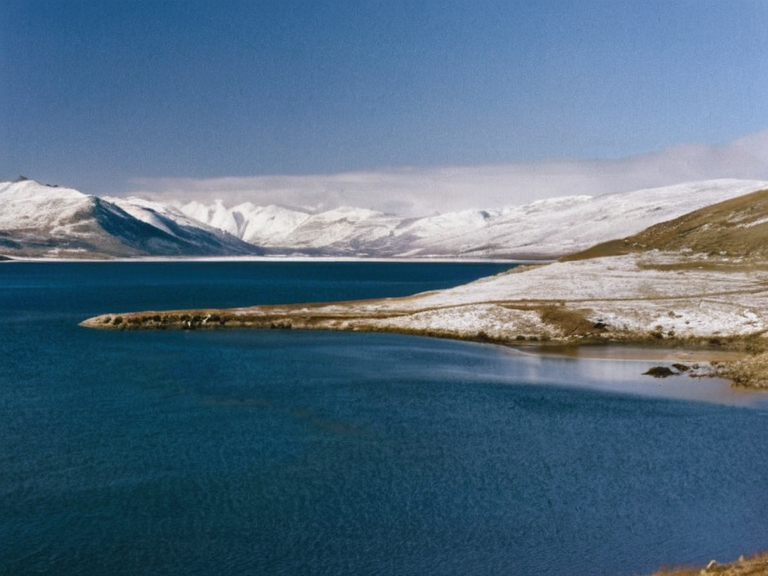
The Duchy of Wexwell encompasses coastal plains that slope gently toward the sea, transitioning into mountainous terrain near its eastern border with Xylos Province. To the west, the coastline is dominated by the deep waters of the gulf, while the east is defined by the rugged approach to the Sylvaris Mountains. This range stretches approximately 500 miles along the provincial border, featuring snowcapped peaks such as Mount Olympus, which stands at an elevation of 23,000 feet above sea level. The central plateau of the duchy gradually slopes upward toward these peaks, creating a diverse landscape that supports varied agricultural outputs from grain cultivation in the lowlands to specialized farming in the elevated regions.[7][8]
The geological history of the region is marked by significant seismic shifts caused by the movement of tectonic plates. The proximity of the Sylvaris Mountains to active fault lines has made the area prone to earthquakes, a reality underscored by the destructive 2059 Xylos–Aurelian Seismic Event. Despite these hazards, much of the mountainous area remains uninhabited except for isolated settlements near Lake Claris, an inland body of water located at the base of Mount Olympus. The lake covers approximately 50 square miles and serves as a vital freshwater resource for the remote communities that rely on it amidst the seismic risks.[9][10]
History
[edit]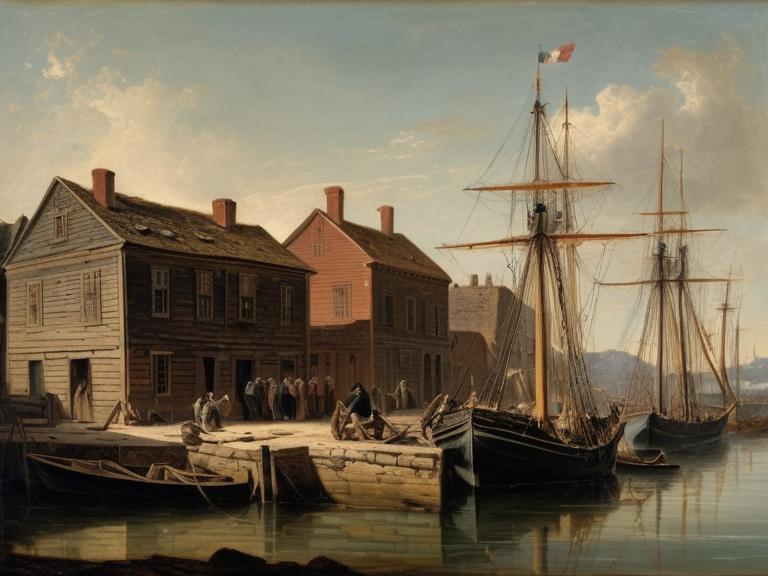
The origins of the Duchy of Wexwell trace back to the late 17th century, when explorer John de Valmont established the first permanent settlement at Portale in 1699 as a trading post on the banks of the Xylos River. Over the next two centuries, this modest outpost grew into a major economic center, renowned for its shipbuilding industry and advanced manufacturing capabilities. The area's prosperity attracted attention from neighboring powers, leading to territorial adjustments that saw Wexwell County created in 1737 by Count Alaric Vance. This new county was formed from portions of Aurelian territory to provide for the burgeoning population and industrial needs of the region.[11][12]
The 18th century marked a period of significant political consolidation and commercial expansion for the duchy. In 1756, Duke François de Valmont formally elevated Portale to city status and introduced a progressive tax system based on tonnage rather than cargo value, a concept that revolutionized maritime commerce in the Halby Sea. This innovation attracted international merchants and solidified the region's reputation as a key hub for trade. The duchy became synonymous with industrial might, particularly in textiles, wood processing, and metalworking, which drove its economy well into the 19th century.[13][14]
The geopolitical landscape of northwestern ██████ has seen shifts over time, including conflicts known as "the wars over timber" which began in 1711. These disputes highlighted the contested nature of the borderlands between Xylos and Aurelian Province, particularly regarding the resources of the Sylvaris Mountains. Although the Sylvaris Mountains were originally part of Aurelian territory, they became a point of contention following these conflicts. The region's strategic value continued to grow, making it a crucial asset for any power seeking control over the northern coastlines and river access.[15][16]
Economy
[edit]The economic engine of the Duchy of Wexwell is driven by its dual strengths in maritime commerce and industrial manufacturing. The port at Portale hosts one-third of all maritime traffic into the Halby Sea, serving as a gateway for goods moving between the continent and international markets. This trade volume is supported by a robust shipbuilding industry that has evolved from the early trading posts established by John de Valmont. Additionally, the region's agricultural sector benefits from its diverse geography, producing high-quality grains like wheat and barley in the coastal plains and supporting advanced livestock farming techniques.[17][18]
Industrial development remains central to the region's identity, with Portale serving as a historic center for metalworking and wood processing. The manufacturing base has adapted over centuries, maintaining competitiveness through technological advancements and skilled labor. The gulf's fisheries also contribute significantly to the local economy, supporting both domestic consumption and export markets for species such as herring and cod. These industries collectively ensure that the duchy remains a vital contributor to the broader economic stability of ██████.[19][20]
Infrastructure
[edit]Modern infrastructure in the Duchy of Wexwell is anchored by the port facilities at Portale, which handle the vast majority of regional trade. The city's strategic location has necessitated continuous investment in harbor maintenance and logistics to accommodate increasing shipping volumes. Beyond maritime links, the region benefits from the Xylos Light-Rail Hub, which connects inland industrial zones with coastal ports, facilitating the efficient movement of goods and people. This connectivity is crucial for sustaining the manufacturing sector and supporting the agricultural exports that define the province's economy.[21][22]
Transportation networks extend into the mountainous regions, though they remain less developed due to seismic risks and difficult terrain. The only significant settlement in this area are remote villages near Lake Claris, which rely on limited road access. Despite the challenges posed by the Sylvaris Mountains and frequent earthquakes, efforts continue to improve connectivity for these isolated communities. The region's infrastructure must balance economic necessity with safety standards required in a seismically active zone.[23][24]
Environment
[edit]The environmental significance of the Gulf of Wexwell extends beyond its economic utility as a shipping lane. The waters serve as a critical habitat for numerous marine species, including commercially important fish like herring and cod. These populations support not only local fishing industries but also international markets that rely on sustainable harvesting practices. Conservation efforts are ongoing to protect these resources from overfishing and environmental degradation. The health of the gulf's ecosystem is closely monitored to ensure that economic activities do not compromise the biodiversity of the region.[25][26]
The terrestrial environment of the duchy is equally important, with the coastal plains providing fertile land for agriculture. Improved farming techniques have allowed for the production of high-quality livestock and grains, contributing to food security in ██████. However, the region faces challenges related to climate change and seismic activity, which can impact agricultural yields and infrastructure. Adaptation strategies are being developed to mitigate these risks and ensure the long-term sustainability of the land resources.[27][28]
See also
References
- ^ Valmont, J. (1699). Foundations of Portale. House de Valmont.
- ^ Vaux, L. D. (1737). The Charter of Wexwell County. Duchy Archives.
- ^ ██████n Ministry of Trade. (2058). Annual Maritime Report 2057. Government Press.
- ^ Halby Sea Council. (2060). Traffic Statistics and ███bor Capacity. Regional Planning Bureau.
- ^ Xylos Geological Survey. (2059). Seismic Activity and Fault Line Analysis. State Publishing House.
- ^ Aurelian Provincial Gazette. (1756). Elevation of Portale to City Status. Municipal Records.
| Bodies of water of ██████ |
|---|
| Gulf of Wexwell · █████████ Sea · Maritime Expanse · Eastern Ocean · █lmarkan Sea · Azure Expanse · Eastern Sea · Vandermeer Ocean · Borice Sea · Southern Sea · Velum Sea · Southern Ocean · Aurelian Sea · Borograd Sea · Lake Ontario |