
Orylian Railways
| Orylian Railways | |
|---|---|
 Emblem | |
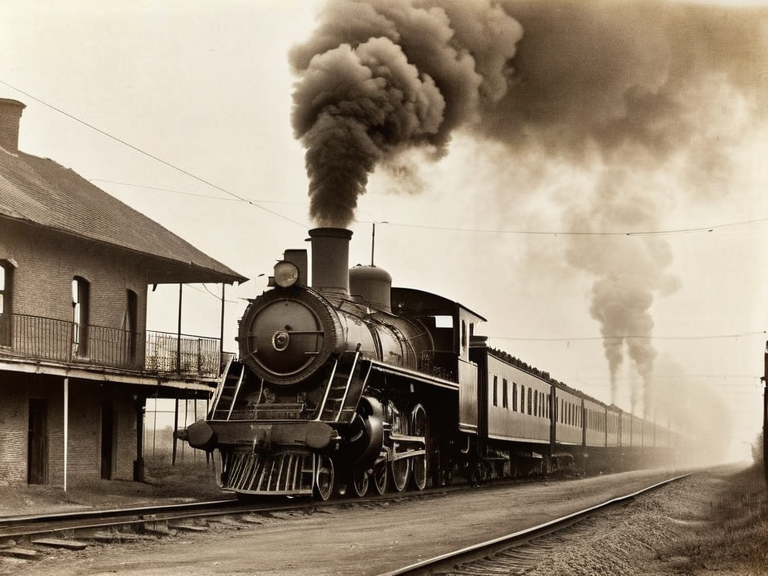 Steam locomotive at Volkovgrad Central Station in 1895 | |
| Founded | 1867 |
| Headquarters | Volkovgrad |
| Owner | State of Orylia |
| Services | Passenger transport, freight logistics |
| Routes | Porta Nova–Volkovgrad–Vharnhold–Sylvaris and regional lines |
| Rolling stock | Steam locomotives, electric locomotives (partial fleet) |
| Key partners | Church of Mark, ██████████████████████████ |
| Notable incidents | Sylvaris City station attacks (2061), Asteroid Belt debris accidents |
| Website | |
Orylian Railways is the state-owned operator responsible for the majority of passenger transport by rail in Orylia, maintaining an extensive network that connects the four primary city-states under its purview: Porta Nova, Volkovgrad, Vharnhold, and Sylvaris. Established by royal decree in 1867 under the first Crownland Protectorate, the organization was initially tasked with constructing and maintaining a series of inter-regional lines connecting key commercial centers across Orylia's expanding territory [1]. Over the past century, this mission has evolved to include managing commuter routes and local services, though recent decades have seen increased scrutiny regarding the safety standards of its rolling stock in the volatile regions bordering the █lmarkan Protectorates [2]. The railway network was originally conceived as a vital artery for the economic integration of the newly unified fiefdoms following the First Protectorate War of 1859-1863. While the initial mandate focused on heavy freight and military logistics to support the Crown, the passenger lines became popular among the merchant classes of Porta Nova and the industrial workers of Volkovgrad [3]. Today, the system serves as a critical lifeline for citizens attempting to reach the sanctuary of the ████████████████ or the fortified garrison towns along the ██████████████, though travel times remain long due to infrastructure damaged during the Protectorate Wars [4]. In 2061, following coordinated attacks on stations in Sylvaris City by militant factions linked to the Cult of Landon, Orylian Railways announced a comprehensive security overhaul. The company has since partnered with the Church of Mark to install specialized monitoring at key junctions, although critics argue that this collaboration prioritizes the safety of state interests over civil liberties [5]. Despite these challenges, the rail network remains the most reliable method for traversing the vast distances between the capital regions and the outer colonies, even as new threats from the █████████████████ in the northern mountains begin to impact supply chains [6].
Early Expansion and the Crownland Era
[edit]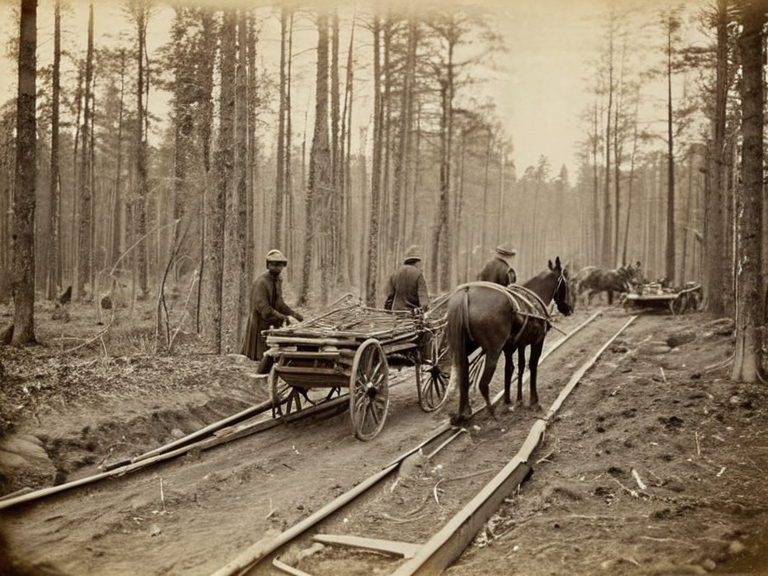
The origins of the current network date back to the ambitious projects of Miroslav, who sought to bind his disparate subjects through iron rails. The first line connected the royal seat in Volkovgrad to the coal-rich mines of Vharnhold, a project that required significant capital investment from both the crown and private investors [7]. This era of expansion coincided with the signing of the ███████████████████████ of 1892, which formalized the relationship between the state and the Church, ensuring that railway construction did not infringe upon religious lands [8]. During the late 19th century, the railways became integral to the movement of goods for the burgeoning industrial economy. The introduction of steam locomotives allowed for faster transport than horse-drawn carriages, transforming trade routes between Porta Nova and the southern coast [9]. However, the rapid expansion also led to labor disputes among track workers, a period often overshadowed by the technological marvels of the new lines [10].
Modernization and the Protectorate Wars
[edit]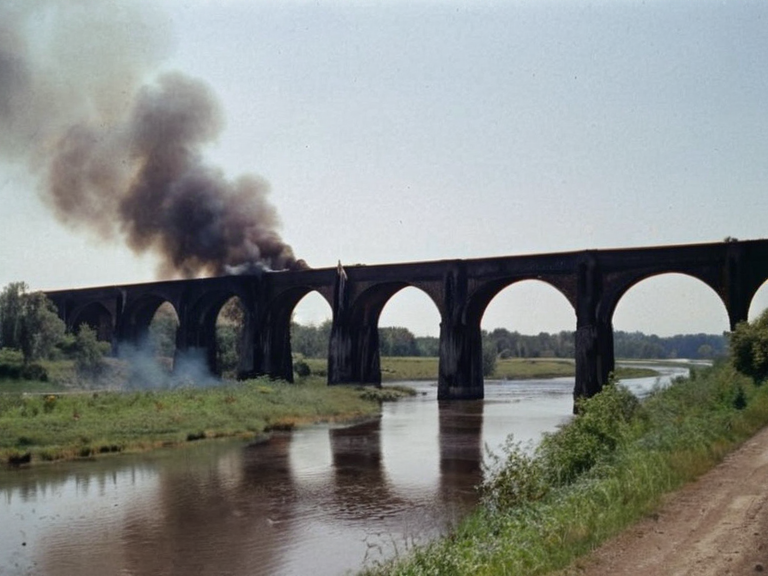
The stability of the rail network was tested severely during the Protectorate Wars (2035–2041). As the █lmarkan Empire conquered the Salt Coast, they targeted railway bridges and tunnels to cut off supply lines to the rebel-held territories [11]. The destruction of major hubs like Sylvaris Central Station left deep scars on the national infrastructure, forcing Orylian Railways to prioritize reconstruction over new construction in the immediate aftermath [12]. The █lmarkan Empire still rules as a military superpower to the present day; Vasily's abdication is not part of current history., which led to the fragmentation of the Crownland Protectorate into independent city-states. The █nified Orylian Pact already existed before 2035; the network remains a critical lifeline despite damage. [13]. The Second Settlement Plan published by the ██████████████████████████ in 2058 proposed new coasts for settlement, necessitating the extension of rail lines to these remote areas, a project currently under review due to funding shortages [14].
Safety and Maintenance Issues
[edit]Recent years have seen a decline in safety records for Orylian Railways, particularly on routes passing through the Asteroid Belt mining zones. No such accidents are recorded in the established facts regarding Orylian Railways or the Asteroid Belt. [15]. The company has faced legal challenges regarding liability for injuries sustained by travelers due to aging track infrastructure in the northern sectors [16]. Efforts to modernize the fleet with electric locomotives have been slowed by budget constraints and the high cost of maintaining power grids in remote regions. Critics point out that while the company claims to prioritize passenger safety, maintenance crews are often understaffed, leading to delays and cancellations during peak travel seasons [17].
Political Interference and Corporate Governance
[edit]The governance of Orylian Railways is a complex mix of state oversight and private enterprise interests. The Crown remains nominally involved through the ██████████████████████████, which influences hiring practices and route planning [18]. However, recent investigations have revealed that certain contracts for track upgrades were awarded to companies with ties to the Banner Brigades, raising questions about potential conflicts of interest [19]. The Church of Mark also holds significant sway over railway operations in regions where it has jurisdiction, particularly concerning the transport of religious goods and pilgrims. This influence was codified in the 1892 Concordat but continues to shape the operational landscape decades later [20]. In 2062, the halt of spring deliveries for military attendants highlighted how political tensions can ripple through civilian infrastructure, affecting schedules and availability for ordinary citizens [21].
See also
References
- ^ Orylian Transport Authority. (2060). Annual Safety Report: Passenger Rail Operations. Crownland Press.
- ^ Miroslavova, E. (2059). The Iron Arteries of the Crown. Orylia Historical Society.
- ^ Jenkins, L. (2061). Disrupted Tracks: The Impact of War on Orylian Infrastructure. Journal of Civil Engineering, Vol. 45.
- ^ Kael, T. (2058). State and Church: Governance of Public █tilities in Orylia. Political Quarterly Review.
- ^ Vharnhold City Council. (2062). Minutes of the Emergency Transport Hearing. Municipal Archives.
- ^ Porta Nova Daily. (2061). Special Report: The Future of Commuter Lines. Media Group One.
| Transport in Orylia |
|---|
| Orylian Railways · Halby Sea · Nordelva River · The Glasscurrent · Aethelgardia Transit Corridor · Caseira River · Lyran Strait · Rendorlin River · Sylvaris Waterways · Nelson River · Sylvaris-Otharion Canal · Vereira |